What is retail key control and device accountability? Benefits, features, and use cases

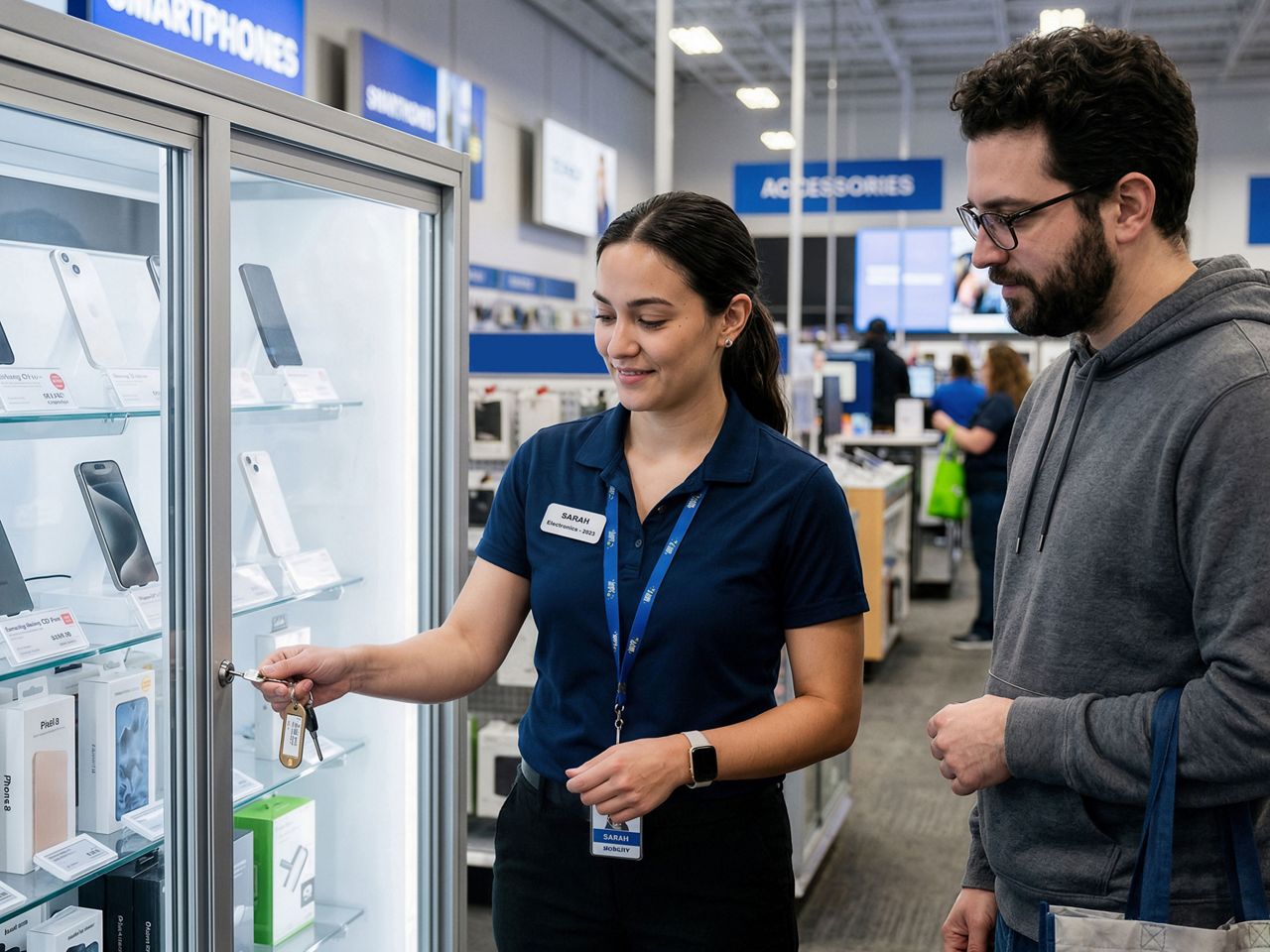
Discover how retail key control and device accountability systems help reduce shrinkage, improve visibility and protect valuable store assets.
Retail operations depend on accountability at every access point. Whether it's a key from a cabinet, a scanner from a locker, or a radio needed for the next shift, retailers need to know who took it, when it was taken, and when it was returned.
Physical access control and device accountability are closely linked. Both rely on the same principle: giving authorized employees access to the assets they need while creating a clear record of responsibility.
How retail key control systems work
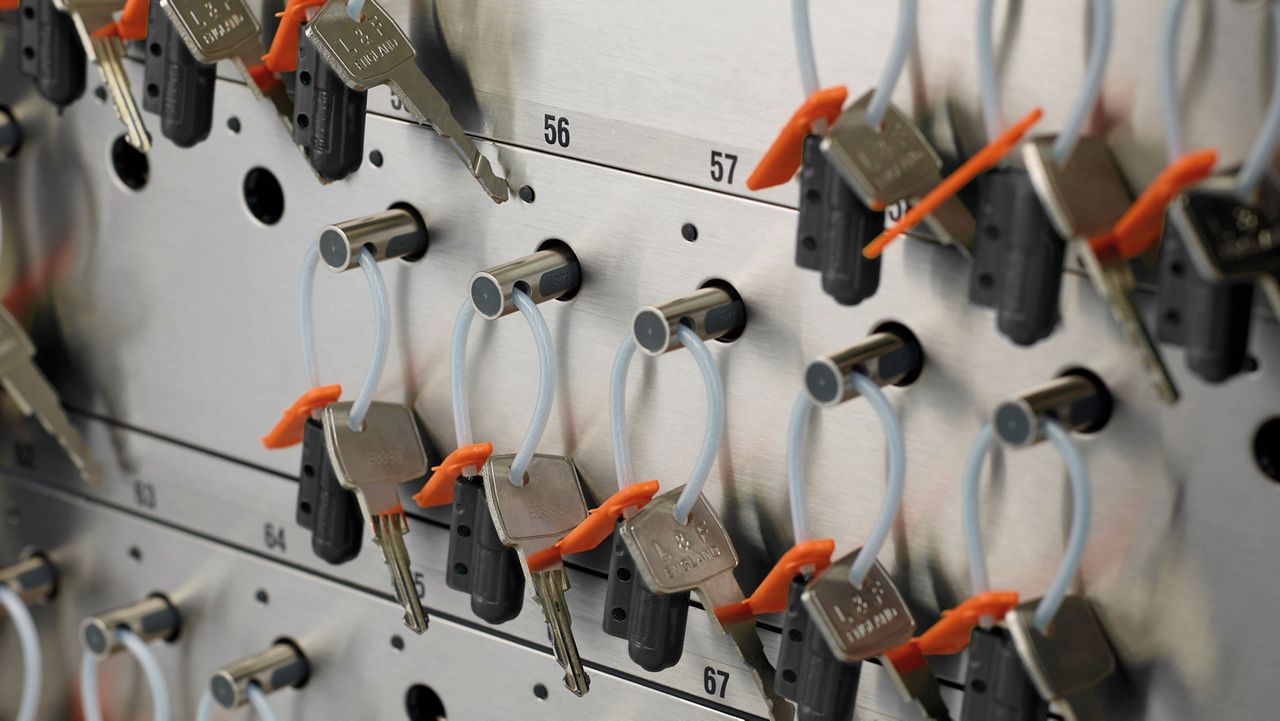
Retail key control systems replace traditional key storage with secure electronic cabinets, while intelligent lockers provide the same level of control for shared devices. Together, they automatically manage and record access to every key, scanner, radio or tablet across the retail environment, replacing manual processes and shared responsibility with a clear record of exactly who accessed what, and when.
The process is the same no matter what's being accessed. Employees authenticate using a PIN, access card or biometric credential, the cabinet or locker releases the asset, and the transaction is logged automatically, creating full traceability without adding any extra steps for the employee.
Management software then turns that activity into real-time visibility, showing which keys or devices are currently in use, who has them, and whether anything is overdue for return. For retailers operating across multiple sites, all of this can be monitored from a single platform, so consistency doesn't depend on what's happening locally at any one store.
What sets retail key control systems apart
Access permissions
A store manager may need access to every key in the building, while a sales associate only needs access to a stockroom. Key control systems allow retailers to define these permissions in advance, helping ensure keys are only available to the people who genuinely need them.
Real-time alerts
Problems are much easier to deal with when they're identified quickly. Whether a key hasn't been returned at the end of a shift or someone attempts to access a restricted key, real-time alerts help bring attention to unusual activity as it happens.
User accountability
By requiring employees to authenticate before accessing keys, retailers create a clear record of responsibility for every key movement. This can help reduce misplaced keys and improve day-to-day accountability.
Multi-store management
For retailers operating across multiple locations, centralized software allows managers to monitor key activity remotely from a single platform. This provides greater consistency and visibility across the wider retail operation.
Integration capabilities
Modern key control systems can integrate with access control platforms, employee credentials, HR and security systems and intelligent locker solutions. This allows retailers to manage both keys and shared devices through a connected accountability framework, helping ensure every access point follows the same authentication and reporting standards.
RFID-enabled intelligent lockers
Providing passive, 24/7 item monitoring and automatic detection without requiring end-user intervention, while being impossible to spoof or bypass.
Real world examples
- Store opening and closing. It's 6 a.m. and the opening manager can't find the store keys. The previous shift insists they returned them, but nobody knows for certain. Situations like this can delay store openings and create unnecessary frustration. With a system like Traka, this scenario doesn't get the chance to play out in the first place. Key curfews flag the moment a key isn't returned by a set time, and automated alerts notify a manager immediately rather than leaving it to be discovered the next morning. Instead of guesswork at 6 a.m., there's already a record showing exactly who took the keys, when, and whether they came back on time.
- Vehicle key management. How many times has a delivery driver been ready to leave, only for nobody to know where the vehicle key is? What starts as a five-minute search can quickly turn into delayed deliveries and frustrated staff. A key control system removes the guesswork by showing exactly who took the key and whether it has been returned. Curfews and real-time alerts flag when a key hasn't come back by a set time, so instead of discovering a missing key right before a delivery, managers know well in advance.
- Cash office access. Throughout the day, different employees may need access to the cash office for deposits and cash counts. When questions arise about who entered the area, relying on memory can be difficult. Controlled key access creates a record of every transaction, making it easier to understand who accessed the key and when. Permissions can also restrict the key to specific roles, like shift managers, so the pool of who could have been involved is already narrowed before a question is ever asked.
- Shared device management. The morning team signs out scanners and radios before the store opens. By the end of the day, one device is missing and nobody can remember who last used it. It’s a common challenge in busy retail environments. Smart lockers solve this by logging every checkout and return automatically, so instead of asking around at closing time, a manager can pull up the locker's history and see exactly who had the device last.
- Shift changeover and device readiness. There's nothing worse than the morning team showing up to a scanner that's dead on arrival. Smart lockers solve this by tying charging status to the return process itself, so a device can't be checked back in by the evening team without being plugged in and charging. If a device isn't returned at all, the system notifies an administrator automatically, rather than the gap surfacing the next morning when someone goes looking for it. By the time the next shift arrives, equipment is ready to go, and the locker's record shows exactly who had it last, closing the accountability gap that often opens up right at the handover.
- High-value or highly regulated inventory access. In a busy retail environment, access to cages and lockers holding high-value or highly regulated inventory, electronics, pharmaceuticals, alcohol, often needs to be restricted to a small group of authorized employees. When questions arise about who entered these spaces, relying on memory can quickly become difficult. Whether it's a cage secured by a managed key or a locker storing individual high-value items, every access event is logged automatically, so if a compliance audit or internal investigation ever requires a record of who accessed something and when, it's already there rather than pieced together after the fact.
Why retailers use key control systems
- Better staff accountability. Every key movement and device checkout is linked to a specific employee. This creates clear accountability across store operations and is particularly valuable during shift changes, where responsibility for keys and shared devices can easily become unclear.
- Reduced shrinkage. When access to sensitive areas is fully tracked, it becomes much harder for missing inventory or unexplained losses to go unnoticed. Retailers can quickly trace who accessed a key and when, helping strengthen accountability around physical access.
- Improved compliance. Retailers handling regulated products often need stronger control over who can access certain areas. Automated key tracking creates a clear record of key activity that can support internal procedures, investigations and compliance reporting.
- Faster operations. Employees can access authorized keys directly from a secure cabinet rather than searching for misplaced keys or waiting for another staff member to unlock an area. This can be a real time saver during busy periods and shift changes.
- Reduced operational risk. Unreturned keys, unsecured access points and unclear key ownership can all create unnecessary operational problems. Key control systems help retailers maintain tighter control over physical access and respond more quickly when issues arise.
To see how tighter access control could translate into savings for your retail environment, Traka's ROI calculator estimates potential impact based on store size and current loss patterns.
Manual vs electronic key management
Security
Manual: Keys are often left in locations that are convenient rather than secure. Once they start being passed between employees,there's no real way to limit who has access to what.
Electronic: Access is restricted to authorized users only. A PIN, card, or biometric credential is required before a key can be removed, so employees who aren't cleared for a particular key simply can't get to it in the first place.
Reporting
Manual: When a key goes missing, finding answers often means digging through sign-out sheets or asking employees what they remember. If records haven't been updated properly, the trail can end very quickly.
Electronic: Every transaction is captured automatically. Instead of piecing together events after the fact, managers can simply review a complete history of key activity.
Scalability
Manual: A process that works in one store can become much harder to manage across 10 or 20 locations. Different teams often develop different habits, making consistency difficult to maintain.
Electronic: Adding a new retail location doesn't mean reinventing the process. The same authentication, permissions, and reporting structure rolls out store by store, so growth doesn't introduce a fresh learning curve at every new site.
Accountability
Manual: Questions like "Who had the key last?" don't always have clear answers. Once a key has passed between several employees, responsibility can become blurred.
Electronic: Simply put, there is no guesswork. Every key removal and return is linked to a named user, making ownership much easier to establish.
Efficiency
Manual: Store routines can quickly slow down when a key can't be found or an employee needs to track down someone with access. Small delays have a habit of becoming bigger ones during hectic periods.
Electronic: The time savings aren't just at the point of access. Managers stop getting pulled into searches every time something turns up missing, and stop having to manually track who has which key throughout the day.
RFID-powered intelligent lockers: Automated asset tracking
RFID technology enables 24/7 monitoring of items when they're in smart lockers, automatically detecting items as they enter and exit compartments. This passive, automated detection means end users don't need to follow additional manual check-in or check-out processes — the system works silently in the background. RFID tags also cannot be spoofed or tricked using similar-shaped or weighted devices, providing tamper-proof accountability that exceeds manual or barcode-based tracking methods.
FAQs
- What is a retail key control system?
A retail key control system is a secure solution used to manage, track and control access to physical keys within a retail environment. It helps retailers monitor key usage and maintain visibility over who has access to sensitive areas. - Can key control systems be used to manage shared devices?
Yes. Many retailers use intelligent lockers alongside key management systems to manage scanners, radios, tablets and other shared equipment. Both technologies follow the same accountability model, helping retailers maintain visibility over who has access to important assets. - What's the most seamless way to incorporate a key control system into an existing security setup?
The most seamless approach is choosing a system built for integration from the start, rather than one that has to be retrofitted for it. Traka's cabinets and lockers connect directly with a wide range of access control platforms and employee credential systems already in use, so retailers aren't forced to choose between key management and the security infrastructure they've already invested in. Confirming that integration up front, before installation rather than after, is what separates a system that fits seamlessly into daily operations from one that just adds another layer of administration. - What happens if a key isn't returned on time?
Most secure electronic cabinet systems can be configured with a curfew, so if a key isn't checked back in within a set window, an alert goes to a manager or administrator automatically, rather than the issue surfacing during the next shift change. This gives retailers a way to catch a missing key before it turns into a bigger problem, instead of finding out after the fact. - Can key control systems reduce shrinkage?
Yes. By improving accountability around physical access, retailers can make it much harder for losses to occur without being noticed. - Do employees need training to use a key control system?
Most systems are designed to be intuitive enough that minimal training is required. Employees only need to learn how to authenticate, whether that's a PIN, access card or biometric credential, since everything else, the unlocking, the logging, the tracking, happens automatically once the credential is confirmed.
Take control of retail key security
- Retail
- Traka Americas
Retail key and asset management solutions
From store keys and access cards to handheld scanners, mobile devices, and other shared equipment, Traka helps retailers improve accountability, strengthen security, and keep daily operations running smoothly across every location.