Understand the security systems combinations required for your industry

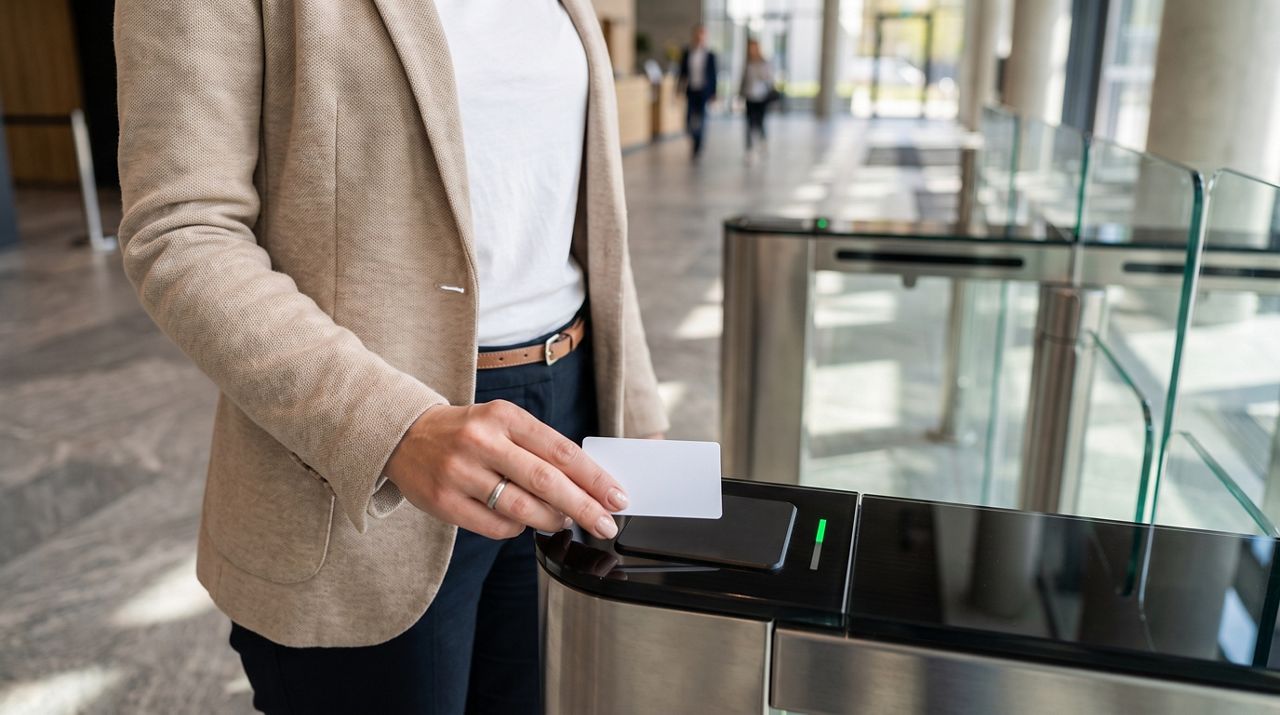
Operating in silos is rarely a good idea in any part of a business. Security is no different.
One system might control who can enter a building, while another keeps track of physical keys or shared equipment. Used together, they can give businesses a much clearer picture of who has access and what they can actually get to once they are inside.
The right combination will depend on the industry and how people work. The important thing is making sure each system supports the others, rather than creating separate processes that leave gaps between them.
Why use security systems combinations?
The real benefit shows up when security becomes easier to manage.
If access control is linked with electronic key management, staff permissions can follow the person rather than being managed in two separate places. Someone who changes roles can have their access updated without leaving old permissions hanging around.
It can also make life easier for security teams. Instead of checking different systems to piece together what happened, they have a more joined-up view of access activity.
That becomes especially useful in larger sites where different teams need different levels of access.
So the value is not simply having more security technology in place. It is reducing the amount of manual work behind it and making sure access decisions stay accurate as the business changes.
Examples of security systems combinations by industry
-
Healthcare. Hospitals can combine access control with electronic key management to keep tighter control over keys for restricted areas. Intelligent lockers can also be used where staff need secure access to shared devices during a shift.
-
Government. Government departments may pair building access control with Traka key cabinets. This can help make sure entering a site does not automatically mean someone can access every key held inside it.
-
Higher education. Universities often have large campuses with different access needs across them. Access control can manage entry to buildings, while electronic key management gives departments more control over keys used for individual rooms or facilities.
-
Distribution and logistics. A distribution center could combine electronic key management with existing access systems to control who can take keys for forklifts or other vehicles. That makes it easier to link access to the role someone actually performs.
-
Retail. Retail businesses may use electronic key management alongside their existing security setup to control access to store keys or back-of-house areas, with intelligent lockers covering scanners and other operational tools that need the same kind of control.
Where to start
The saying “it’s not where you start, it’s where you end up” is a valid one. With security systems, though, where you start can make a big difference.
If you have never combined systems before, begin with the setup you already have. Look at how access is currently managed and where staff are relying on manual processes.
From there, think about where a second system could genuinely make things easier. If you already use access control, for example, adding Traka electronic key management could give you much better control over what happens after someone enters a building.
The same applies to shared equipment. If devices are still being handed out manually, an intelligent locker could bring that process into the same wider security setup.
You do not need to connect everything at once. Start with the area that causes the most problems, get that working properly, then build from there. That makes it much easier to see what is actually improving security and what is simply adding complexity.
Develop business security processes with Traka
Traka takes great pride in helping organizations improve the way their security works. From healthcare and higher education to government departments and distribution centers, that starts with understanding how people actually use the systems already in place.
More than that though, we want to build relationships that last beyond the initial installation. That means staying involved as security needs change and helping teams understand whether the setup they have still works for them, or whether something needs to change.
Sometimes the answer is a small adjustment to an existing setup.
In other cases, a Traka solution can help bring better control to a process that has become difficult to manage.
Either way, the conversation starts with what is happening on the ground and what would genuinely make things easier for the people using the system.
- Traka Americas
Take control of your keys & assets
Control who can access critical business assets, and maintain a complete record of every transaction. Traka intelligent solutions provide secure, automated access with the visibility and accountability to keep your operation in control.