Construction equipment control: Eliminating loss & improving job site accountability

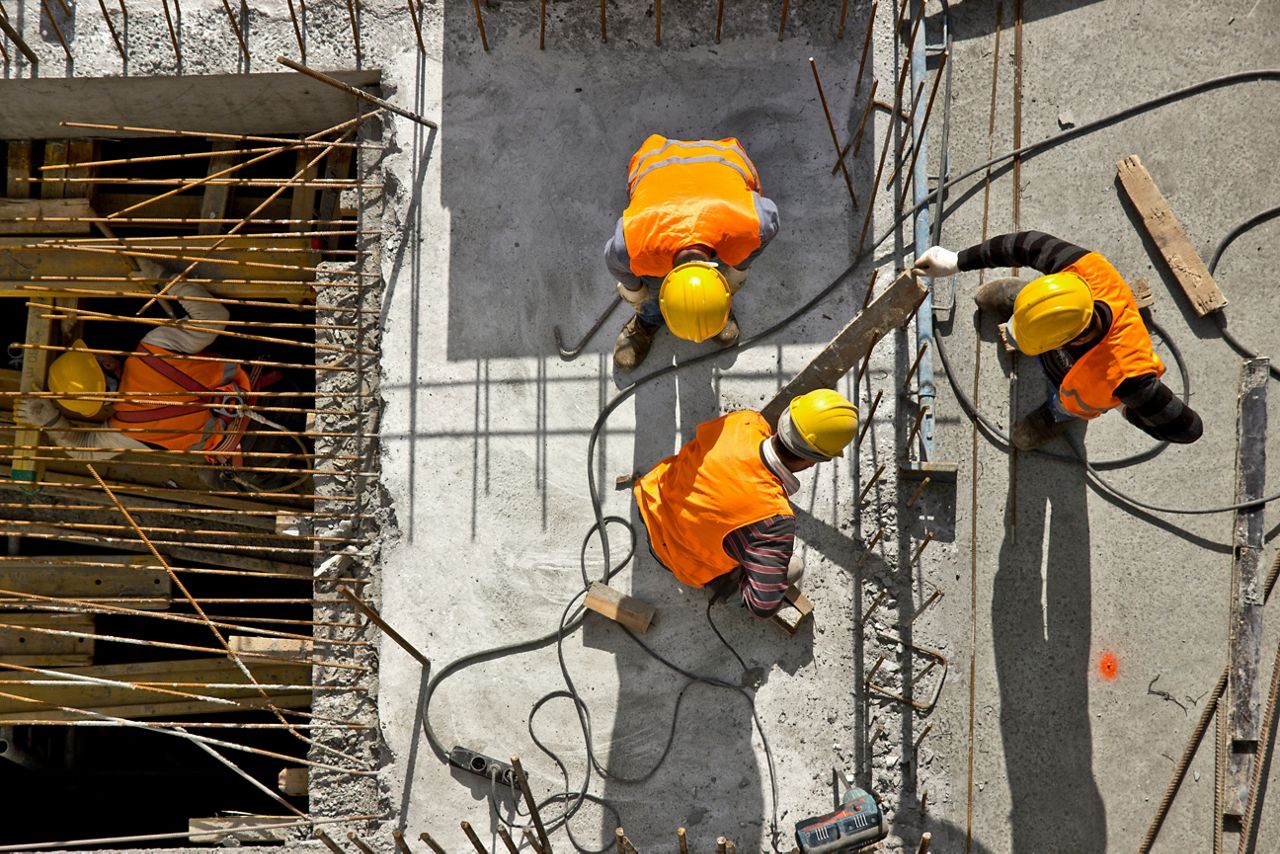
Managing equipment on a busy site can feel like keeping a scaffold steady in high winds. With items moving constantly, it's easy for things to go missing or be used incorrectly.
A strong system lets you see what’s happening without getting in the way. It takes the pressure off the team and makes safety second nature. That way, workers stay ready, and the site stays steady.
Here’s how equipment control leads to increased accountability & safety standards
1. Nail down usage
When tools or machinery are tracked, supervisors can see how they’re being handled. Teams know what’s in use and what needs attention, helping prevent accidents before they happen.
2. Right hands on the right tools
Limiting who can operate certain equipment ensures only trained personnel handle potentially dangerous machinery, reducing risk across the site.
3. A blueprint you can trust
Records of equipment usage help teams spot irregularities, monitor safety practices, and ensure accountability without slowing work.
4. Tie it all together
When equipment is used by multiple people, structured access rules keep usage organized, making sure responsibilities are clear and safety standards are met.
Looking for gaps in your existing equipment control systems
Even the best run sites have blind spots. A good site manager knows it pays to carry out regular checks.
Start by looking at how tools and machinery are tracked. Are there areas where equipment moves around without oversight? Can anyone access critical items without permission? Maintenance is another important area. Are checks being carried out before equipment is used?
Reporting matters too: can you quickly see who used what and when? Addressing these gaps does more than reduce losses; it boosts safety, and gives managers the tools they need to stay on top of operations
How to get started with equipment control solutions
Begin with the equipment that has the biggest impact on your operation and take time to understand how it is used day to day. Look for areas where accountability or safety might slip and introduce controls that match the way work actually happens on site.
Involve supervisors early because they see where challenges arise, where equipment tends to move unexpectedly, and which tools or machines are most important to secure.
As the first systems start working, expand oversight gradually to other equipment so that visibility and control spread across the site.
The goal is not simply to track tools and machinery; it is to build an environment where safe practices and responsible use are embedded into everyday work. Over time, this approach reduces errors and losses, and builds greater confidence across the whole team.
We’re ready to help
Traka understands the realities of construction sites. We know how quickly plans can change and how easily equipment can drift out of sight.
That is why we work closely with teams to identify gaps in equipment control and put practical systems in place that fit the way work actually happens. Oversight should feel natural, not forced.
When accountability becomes part of the routine, sites are safer and managers have a clearer view of what is happening.
If you would like to explore how stronger equipment control could support your site, speak to our team of experts. We focus on building long term partnerships by helping you implement solutions that support your site not just today but for years to come.
- Traka Americas