The modern approach to access control: why digital key cabinets are replacing traditional systems

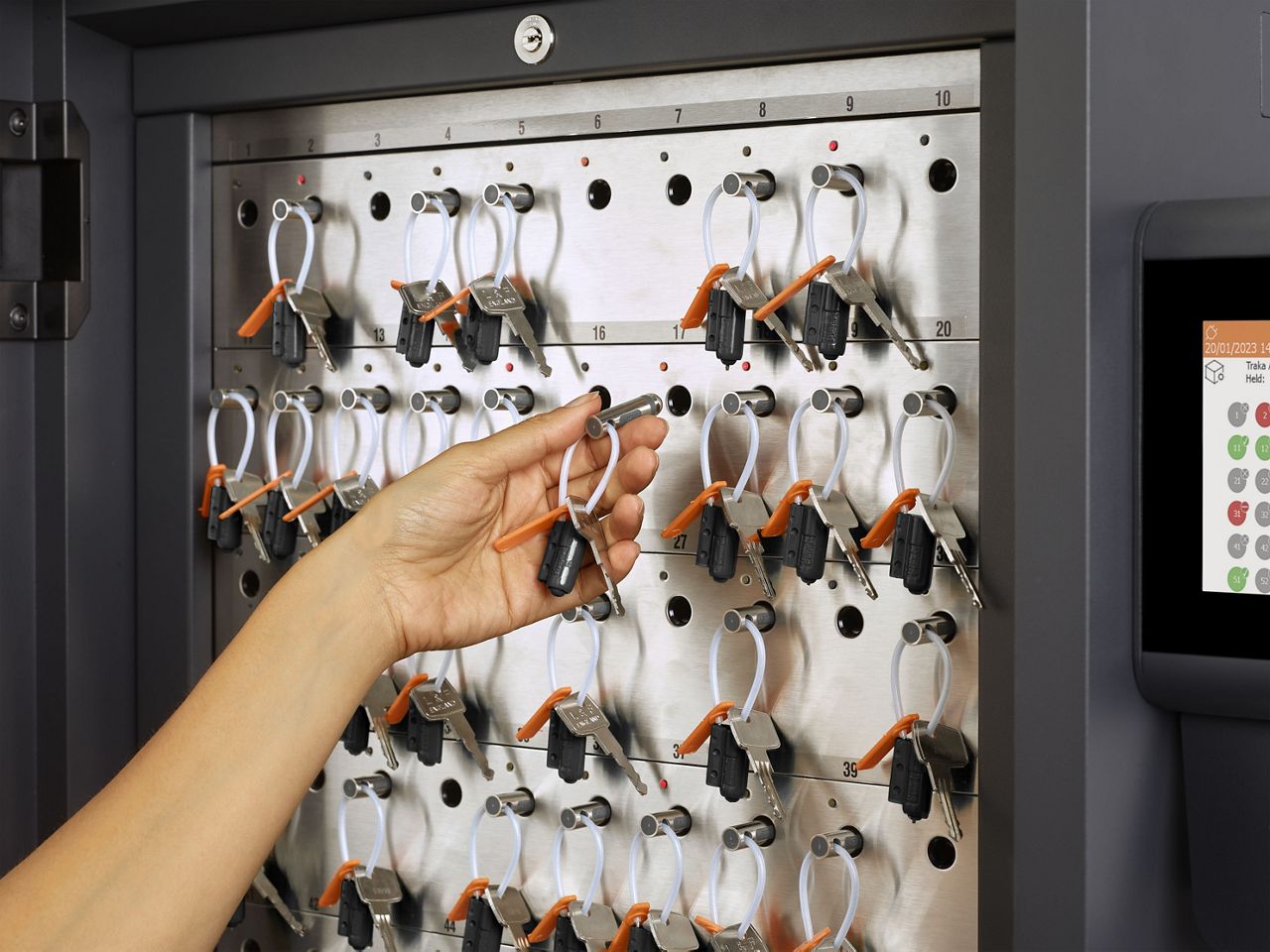
There was once a time when a lock-and-key cupboard was considered the height of security: every critical asset protected by nothing more than a simple metal key on a hook. Those days are long gone.
Thankfully, for every business owner’s peace of mind, modern advancements have transformed how organizations manage access. The evolution from manual cupboards to intelligent digital key cabinets has given organizations dependable, traceable, day to day control that simply wasn’t possible before.
What are digital key cabinets?
Digital key cabinets are essentially smart storage systems that don’t just hold your keys – they manage them. Instead of relying on sign-out sheets or memory, these cabinets automatically control, monitor, and record every interaction.
They work by authenticating the user, allowing access for a set time if needed, and logging the whole thing in the background. And because they slot neatly into wider access control setups, they become a core part of a fully connected, fully accountable ecosystem.
From traditional systems to digital transformation
The world of business would be a far simpler (and way easier) place if trust alone was enough to keep everything on track. But the reality? Traditional systems lean heavily on manual processes and a whole lot of “I’m sure it’ll be fine” thinking.
Paper logs get messy, unsecured storage invites risk, and rising compliance pressures mean you actually need proper traceability.
That’s where digital key cabinets flip the script. They automate control, cut down on human error, and give organizations the dependable standards they’ve been chasing for years.
Why digital key cabinets are replacing traditional systems
- Enhanced security
Digital key cabinets make sure only authorized users can access specific keys, removing the guesswork and weak points of old-school cupboards. By tying every key to an authenticated user, organizations get tighter control, fewer risks, and far more confidence in who has access to what. - Automated audit trails
Every key movement is logged automatically, giving you a clear, time-stamped history without relying on paper sheets or someone remembering to write down who has what. This digital traceability reduces disputes, supports compliance, and gives managers reliable data whenever they need it. - Efficiency
Because everything is handled electronically, there’s no need for manual sign-out, chasing people for returns, or trying to decode handwriting on a logbook. Staff simply authenticate, take the key, and get on with their job. - Real-time visibility
Instead of guessing where a key went, managers can instantly see who has it, when it was taken, and when it’s due back. This live visibility helps avoid delays, improves accountability, and keeps operations running far more effectively. - Integration
Digital key cabinets integrate seamlessly with existing access control and building management systems. This connection lets door access, user permissions, and key control work together, giving organizations a single, dependable system that’s easier to manage and far more secure. - Scalability
Whether you’re managing a single site or a multi-location operation, the best digital key cabinets grow with you. New cabinets, users, or permissions can be added easily, making them a long-term solution that adapts as the organization evolves.
Key features that drive the change
- Electronic access control
Users access keys through PIN codes, RFID cards, or biometric authentication, ensuring that only the right people get the right keys. This replaces the “open cupboard, hope for the best” approach with a controlled, traceable system that’s much harder to misuse. - Smart alerts and notification
If a key isn’t returned on time, someone tries to access something they shouldn’t, or a key goes missing, the system sends an alert immediately. These notifications help managers intervene quickly and avoid problems escalating into full-blown disruptions. - Centralized management
Administrators can manage multiple cabinets from a single dashboard, no matter where those cabinets are located. This central view makes it easier to spot issues, update permissions, and keep consistent standards across the organization without needing to be physically onsite. - Custom permission
Access can be tailored by user role, department, time of day, or specific tasks. This means people only access the keys they genuinely need, reducing risk and giving organizations precise control over their assets. - Comprehensive reporting
The system automatically builds detailed reports for audits, compliance reviews, or internal checks. Instead of digging through piles of paperwork, managers get clean, accurate records that show exactly how keys are being used.
Industry applications
- Corporate and commercial
Keep office spaces and facilities secure while making key access simple and trackable. Employees and contractors can get the keys they need without delays, while administrators maintain full visibility and control over who accessed what and when. - Fleet and logistics
Manage vehicle keys efficiently, ensuring every handoff is accountable and traceable. Drivers only get access to the vehicles they’re assigned, helping reduce misuse, improve scheduling, and simplify fleet management across multiple sites. - Healthcare and research
Protect sensitive areas, medical equipment, and lab resources with secure access control. Staff can access the tools and areas they need for their work while audit logs provide a clear record for compliance and safety. - Government and critical infrastructure
Reduce risk and strengthen oversight for high-security operations. Keys for restricted areas and critical assets are tightly controlled, giving administrators confidence that access is only granted to authorized personnel. - Education
Simplify campus security, from classrooms to student housing, while keeping access transparent and controlled. Administrators can set permissions by role or schedule, ensuring students, faculty, and staff only access the areas they’re supposed to.
Operational and financial benefits
When you bring digital key cabinets into a business, the benefits show up fast; both in day-to-day operations and on the balance sheet. Fewer keys go missing, which means fewer sudden replacement costs and far less time spent hunting for something that should’ve been exactly where you left it. Workflows start to feel smoother too, because people get what they need without queuing, signing forms, or playing detective.
Compliance becomes a lot less stressful, and even insurance conversations feel easier when you can clearly show how access is being managed. On top of that, the system gives you useful insights into how keys are actually being used, helping you spot patterns, set better routines, and make smarter decisions. And because everything scales as you grow, it’s a long-term upgrade that keeps delivering value as your organization evolves.
Implementation guidance
Getting started with digital key cabinets is much easier when you take a moment to understand where you are now. Begin by looking closely at your current key management setup. Which parts run well? Which parts cause the daily headaches? Lost keys, guesswork around who has what, and compliance worries usually rise to the top.
With those issues clear, you can choose a digital cabinet that fits your needs and works well with your existing access systems. It also helps to bring facilities, IT, and security teams into the discussion early. Each group sees the process from a different angle and can help avoid surprises later.
After that, it’s simply a matter of setting a few straightforward usage guidelines and giving authorized users a quick introduction. From there, the system handles the day-to-day work, leaving your team free to focus on what actually matters.
FAQs
What is a digital key cabinet?
A digital key cabinet is a smart, electronically controlled storage system that manages and records key access automatically. Instead of relying on paper logs or memory, it tracks who takes each key, when they take it, and when it’s returned, giving organizations clearer oversight with far less effort.
How secure are digital key cabinets compared to manual systems?
They’re significantly more secure because every user has to authenticate before accessing anything. Keys can’t simply disappear from a hook or cupboard. The system records every interaction, alerts you to issues, and makes it much harder for anyone to misuse or take a key without being identified.
Can digital key cabinets integrate with existing access control?
Yes. Most systems are designed to work with your existing setup, whether that’s card access, fobs, or building management software. This keeps everything in sync, so the same credentials used to enter the building can be used to access the keys you’re allowed to take.
Are they suitable for small or large organizations?
Both. Smaller teams benefit from the simplicity and clear oversight, while larger organizations appreciate the scalability and ability to manage multiple cabinets across different sites. The setup can grow as you grow, without needing to overhaul your entire approach to key control.
What reporting features do digital systems offer?
They provide clear logs of who accessed each key, how often it’s used, and when it’s overdue. These reports help with audits, compliance, and day-to-day management, giving organizations useful insights they simply can’t get from paper-based or manual tracking methods.
Related resources
Traka digital key cabinet range
Electronic key management overview
Guide to integrating access control systems
Key control ROI calculator
Ready to modernize your access control with digital key cabinet technology?
- Traka Americas
From manual processes to accountable control
Digital key cabinets replace guesswork with secure, automated access—giving you real-time visibility, audit-ready accountability, and confidence that every key is exactly where it should be.