The role of key control in government and military security systems

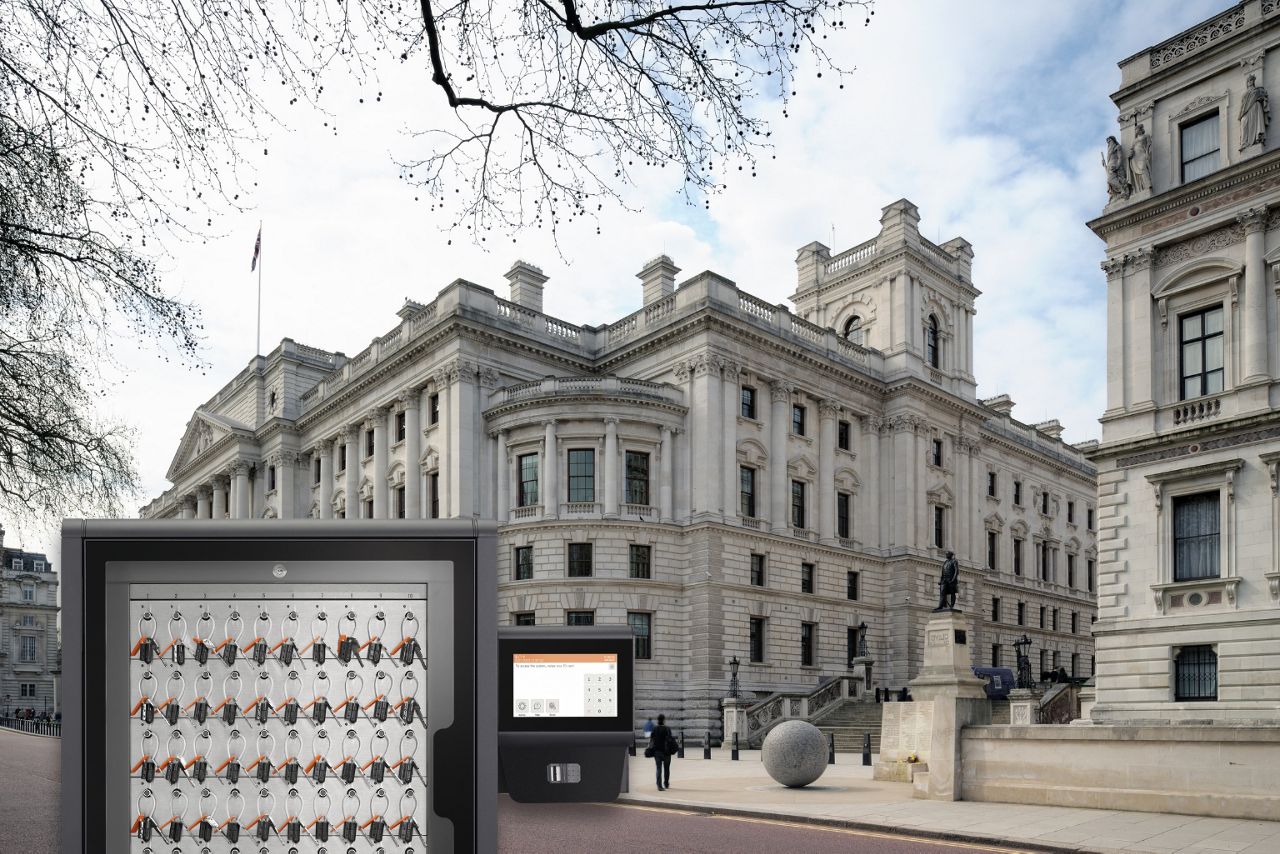
In government and military environments, security is everything. And keys are often the first line of defence. Knowing exactly who has access to sensitive areas, vehicles, and equipment doesn’t just underpin operational strength, it prevents potential vulnerabilities from being exploited.
What role do key control systems play in government and military security?
- Protecting sensitive areas
Keys regulate access to armouries, command centres, and restricted government or military facilities, making sure only cleared personnel can enter. This prevents unauthorised entry that could compromise missions or sensitive operations.
- Securing vehicles and equipment
Military and government assets, from transport vehicles to specialised machinery and weapons, are carefully controlled to prevent misuse or theft. Proper key management ensures these critical resources are always where they need to be.
- Maintaining accountability
Every key movement is automatically recorded, providing a clear record of who accessed what and when. This level of oversight is crucial for investigations, audits, and ensuring strict compliance with security protocols.
- Supporting operational continuity
In emergencies or digital system failures, a well-managed key system ensures operations can continue without interruption. This reliability is essential in mission-critical situations where delays can have serious consequences.
- Mitigating insider threats
By strictly controlling who has access to critical assets, military organisations reduce the risk of internal breaches or unauthorised activity. Knowing exactly who holds keys and when helps prevent potential sabotage or misuse.
While these measures are critical in a military or governmental setting, the same principles, from controlled access and accountability to operational reliability, can benefit other organisations that manage valuable assets or sensitive areas. In fact, many of the challenges the military and government face – protecting equipment, ensuring only the right people gain access, and keeping a clear record of activity – are mirrored in sectors like healthcare, law enforcement, and corporate facilities.
Even if the scale and stakes are different, the underlying need for dependable key control remains the same.
Why is key control so important?
Keys are everywhere. Our homes, our cars, our workplaces. You probably use them without giving it much thought. But when you step back, you realise how much they shape our daily lives. They decide who gets in, who stays out, and who’s trusted with what. And that’s exactly why key control matters so much.
Across government and military operations, keys aren’t just about opening doors. They unlock armouries, vehicles, sensitive facilities, and critical equipment. Without proper control, there’s a real risk of misuse, delay, or even serious breaches of security. Every key has weight, and every access point has consequences. That’s why systems that track, monitor, and restrict access are mission-critical; they ensure the right people have the right access at the right time, and nobody else.
The same logic applies outside these sectors, too. Businesses might not be guarding weapons, but they are protecting valuable assets. From hospitals safeguarding medicine to companies securing vehicles, effective key control helps keep daily operations on track. In short, whether on the battlefield or in the boardroom, key control is the backbone of security.
Which key control systems are right for your requirements?
This is the million-dollar question for a lot of organisations.
And while it would be easy for us to say, “Here, this system suits your operation best.” The truth is, there’s no one-size-fits-all solution. Choosing the right system depends entirely on your specific needs and the risks you face.
In the military, for example, the requirements are extremely precise. Systems have to protect access to vehicles, weapons, and secure facilities, while also providing total accountability for every movement. A base commander needs the confidence that when a key is signed out, it’s going to the right person, for the right purpose, and with a record to prove it. The margin for error is zero.
For businesses, the stakes may be different, but the lesson is the same: you need a system that matches your reality.
A hospital will prioritise controlled access to medicine, while a logistics firm may focus on vehicles and equipment. The best approach is to look closely at what you’re protecting, where your biggest vulnerabilities are, and how your team operates day to day. Only then can you find a system that genuinely fits.
Our team can help
At Traka, we don’t just provide the technology, we provide the guidance. Our experts take the time to understand your environment; whether that’s a high-security military installation or a government building with valuable assets to protect.
From there, we’ll recommend the right mix of systems, tailored to your priorities. It’s not about selling you the biggest or most complex setup; it’s about making sure you get a solution that fits and delivers real value.
- Government and military