
Lee Payne
UK Business Development Manager
Phone
E-mail

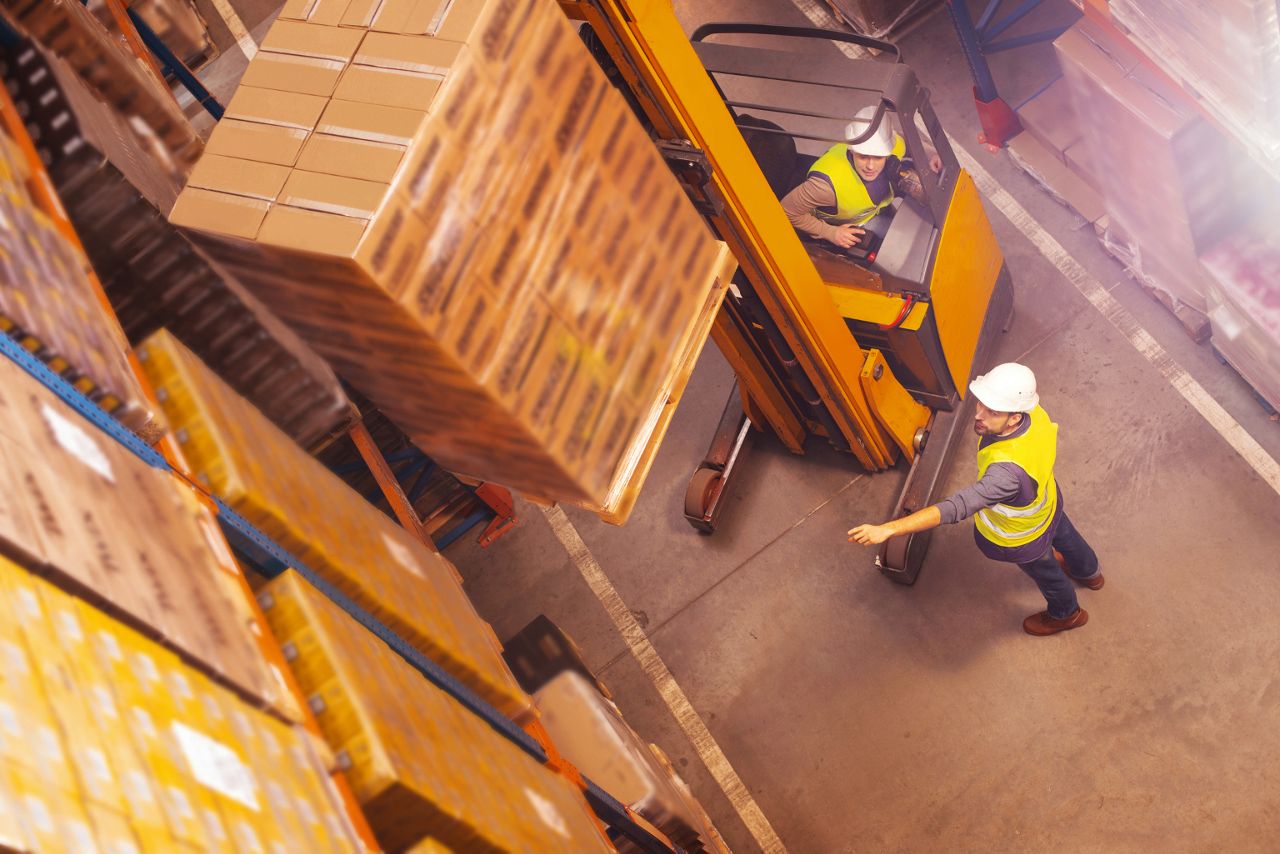
Things are moving fast. Not just the trucks on the roads or all those pallets stacking up, but everything happening behind the scenes. Keys, lockers, sensors, dashboards; they’re all part of the logistics story now, quietly keeping track of what’s moving and what’s sitting still.
In a world that was once dominated by paper (and then spreadsheets), operations now run on systems that communicate and track activity almost constantly.
Keeping up can be challenging, but in logistics, it’s imperative.
For companies putting systems in place today, visibility, adaptability, and accountability can bring predictability to operations, giving teams the confidence to respond quickly.
If a vehicle can’t report its location, shipments might get delayed before anyone notices. Equipment that fails without warning can turn small issues into costly downtime. When tools aren’t logged automatically, mistakes pile up, and staff spend time tracking what’s missing.
Traka turns those -ilities into action. Systems track each asset and interaction automatically, so teams never have to chase information. Keys, vehicles, and equipment communicate with the platform, signalling when attention is needed and alerting staff before minor issues escalate. Historical records are created without manual input, making it simple to see what happened, when, and by whom.
When unexpected changes occur, the system adjusts quietly in the background, so teams can stay focused on what matters most.
The pace of change in logistics means systems can’t stay static for long. What works well today might feel outdated surprisingly quickly, especially as operations become more connected and expectations continue to rise. The trick is to keep looking forward. Never rest on what already feels familiar, because what seems advanced now may not meet operational demands tomorrow.
Stakeholders should be paying close attention to how systems adapt over time rather than simply what they do on day one. Platforms that integrate easily with existing infrastructure are becoming increasingly important, allowing information to move freely instead of sitting in isolated systems. Automation is also shifting from simple alerts toward intelligence that learns from usage patterns and highlights risks before disruption occurs.
Real-time visibility, of course, remains critical, but the focus is moving toward systems that interpret activity rather than just record it. Predictive maintenance, automated access control, and continuous monitoring all play a role in reducing downtime and improving accountability without adding workload.
Ultimately, evolving a system isn’t about replacing everything at once. It’s about choosing technology that can grow alongside operations, adjusting as pressures change and new challenges emerge. The organizations that stay ahead are the ones that keep reviewing, refining, and reframing their approach, asking whether their systems still match the pace of the environment around them.
Yes, things are moving fast. And as they do, expectations change even faster. Systems that once felt fit for purpose can begin to fall behind without warning. That’s why at Traka we take the time to explain how logistics processes are evolving and what that really means for you.
We start by understanding the businesses we work with. Every site operates differently, so technology needs to reflect reality rather than force operations into something unfamiliar. By looking closely at how assets are accessed and managed today, we help teams spot where pressure points may appear tomorrow.
Traka solutions support that transition by strengthening visibility and control without adding complexity. Change shouldn’t happen for the sake of it, it should be for the better.
Join the team to see live demos of how smart key and asset management solutions work in logistics environments to improve accountability, reduce downtime and gain better visibility across operations.