
Ben Ward
UK Business Development Manager
Phone
E-mail

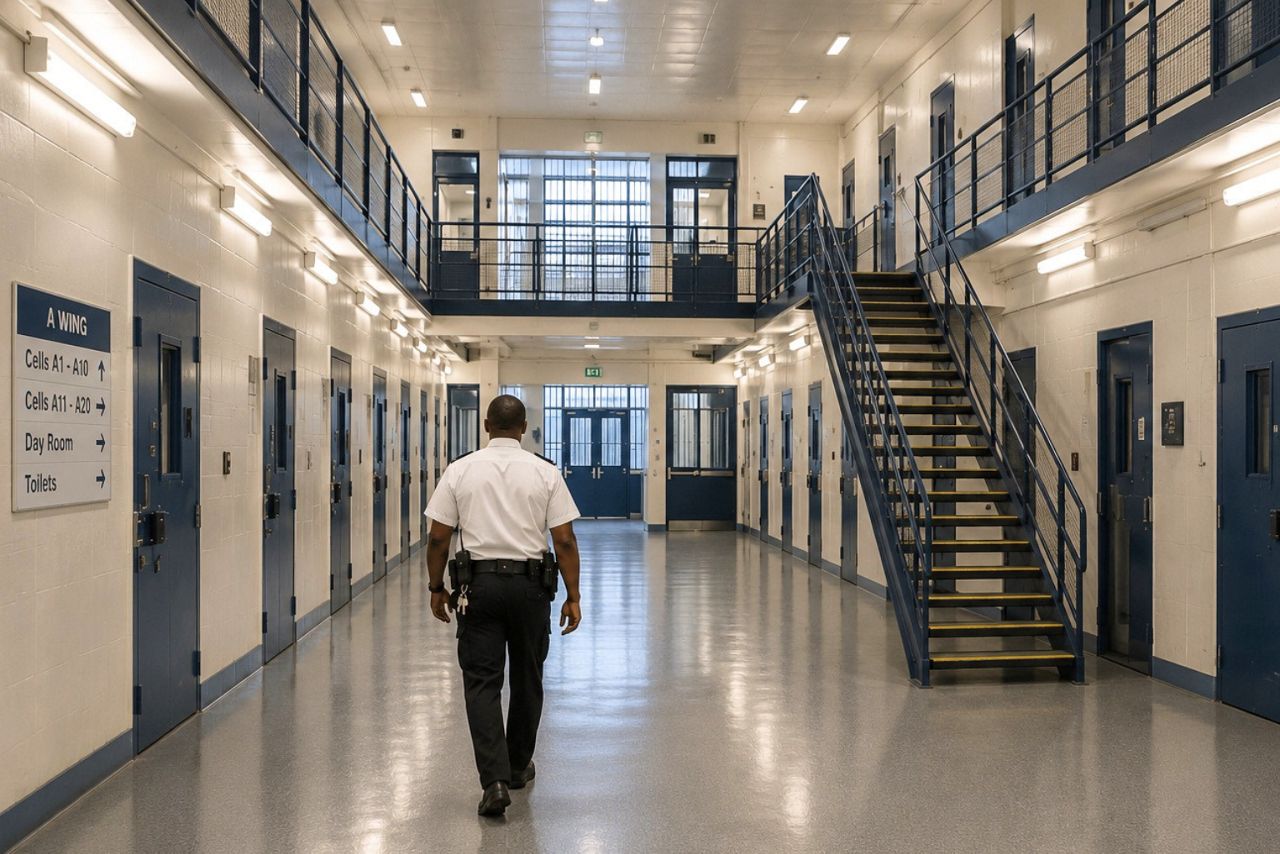
Prison security has always centered around maintaining control inside complex and highly restricted environments. Physical keys, secure access points, CCTV systems, controlled storage areas, and strict reporting procedures still sit at the center of daily prison operations.
What is changing is how connected those systems have become.
In 2026, correctional facilities are under growing pressure to improve visibility across operations while reducing the amount of manual oversight needed to keep everything running securely. Many prisons are now replacing fragmented processes with more intelligent systems that provide clearer oversight of keys, equipment, access permissions, and operational activity from a single place.
For most prisons, security systems are rarely replaced all at once. More often, they build up over years. A new access control platform gets added in one area, key procedures change somewhere else, lockers are introduced later, and before long, staff are working across several different processes that may not fully connect together.
That is usually when reviews become important.
A prison does not need a major incident to justify auditing its systems. Sometimes the biggest warning signs are smaller operational frustrations that keep appearing; officers struggling to locate equipment or uncertainty around where certain keys have ended up are just two examples.
Audits are also valuable because prison operations never stand still. Staff responsibilities change, facilities expand, compliance expectations shift, and technology continues moving forward. Systems that felt modern a few years ago can quickly start creating unnecessary pressure behind the scenes.
A good review is not just about identifying weaknesses, it’s an opportunity to improve the way you work.
Prison environments do not leave much room for uncertainty. Officers need to know where critical keys have ended up without half a shift disappearing trying to track them down.
That is where Traka fits in.
Our intelligent key cabinets and locker systems help prisons bring structure to processes that can otherwise become difficult to manage at scale. Officer keys, radios, body-worn cameras, medication, mobile devices, and restricted equipment can all be securely controlled through systems that automatically record activity as it happens.
For some facilities, the priority is reducing reliance on manual sign-out procedures that slow staff down.
For others, it is about improving visibility across larger sites where assets constantly move between officers, healthcare teams, transport units, and secure areas throughout the day.
Traka systems are designed to work alongside existing prison operations rather than force facilities into completely new ways of working. The result is fewer daily incidents ending up on the operational “most wanted” list.
Strengthen accountability, secure critical keys and assets, adn support safer daily operations with intelligent management solutions designed for Prison environnments.