How to compare electronic key management systems (what to look for)

Say the words “key management” to a lot of businesses and they will probably shrug their shoulders and assume it is just part of everyday admin.
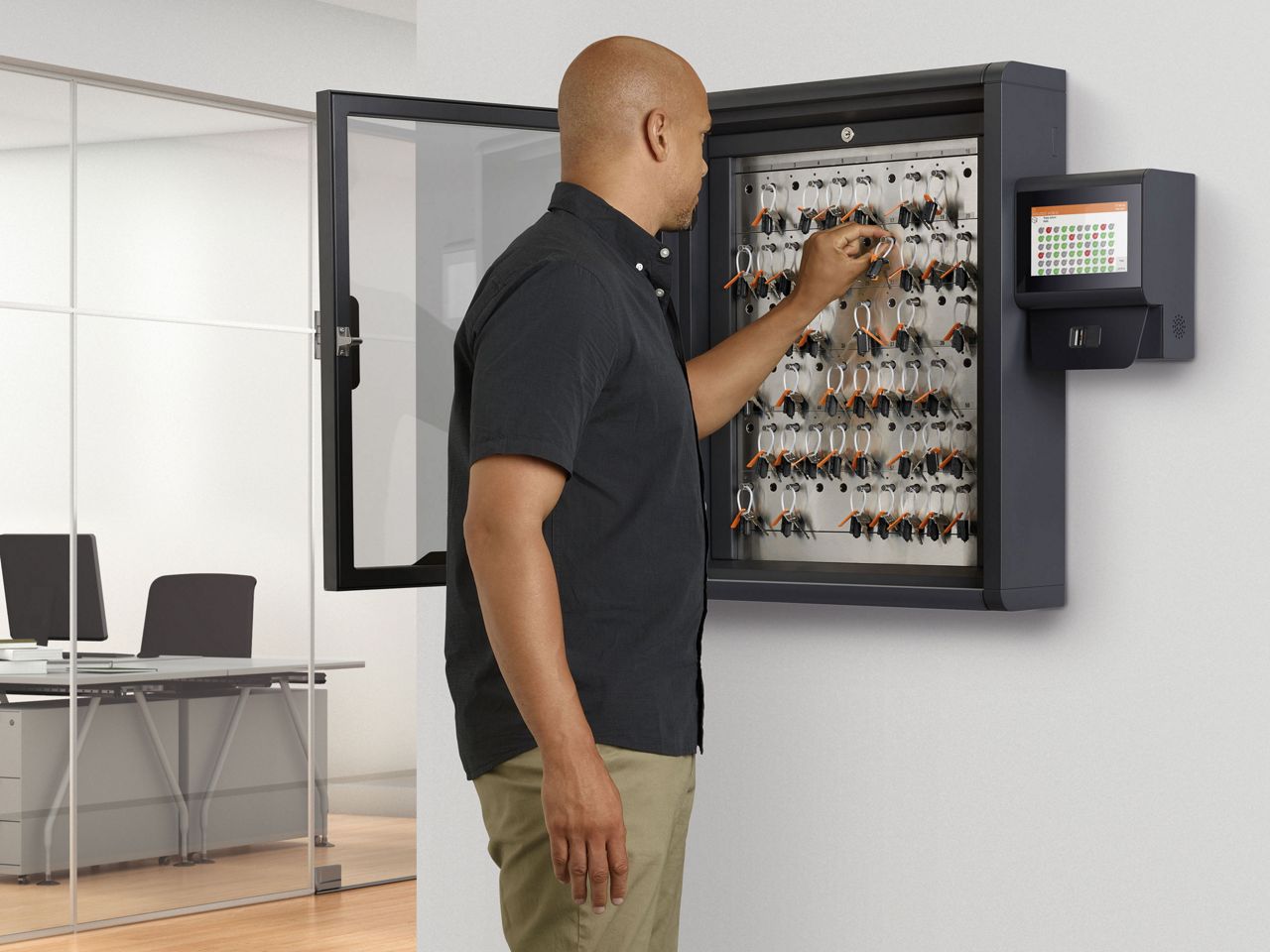
Modern Traka systems are built very differently. They help businesses control access to keys and important assets while automatically tracking activity in the background. That gives businesses a reliable way to see what is happening around access without constantly chasing updates from staff.
A lot of electronic key management systems can look very similar at first glance. Most promise better security and more control over keys or shared assets, which can make it difficult to work out what actually separates one system from another.. The difference usually only becomes obvious once people start using them every day.
5 critical aspects of the best key management systems
- How secure is the access control?
A strong electronic key management system should give businesses proper control over who can access keys and when. Look closely at user permissions, authentication options, and whether access can be restricted around departments, shifts, or specific responsibilities.
- Does the system create clear accountability?
Good systems automatically record key activity without relying on staff remembering extra processes. Businesses should be able to quickly check who accessed a key, when it was removed, and whether it has been returned without chasing people for updates.
- Will staff actually use it properly?
Some systems look great during demonstrations but become frustrating once people rely on them throughout the day. Fast access and reliable usability matter far more than flashy features staff will never use.
- Can the system grow with the business?
Businesses change quickly. More staff, more sites, or additional assets can expose weaknesses in systems that were only designed for smaller operations. Look for solutions that can scale naturally without forcing a complete (and expensive) replacement later on.
- How well does it fit into existing security systems?
Electronic key management works best when it connects naturally with wider security infrastructure. Traka systems are designed to integrate with broader access control and security environments instead of operating separately from them.
- Does the system improve visibility or just store keys?
The strongest systems do more than lock keys away securely. They help businesses understand how access is actually working throughout the operation and where security risks or operational weak points may still exist
Knowing when it’s time for electronic key management systems
For some businesses, it starts with a missing key and five people insisting they were “sure it was left there yesterday”.
For others, the signs appear more gradually. Keys go missing more often than they used to. Shared assets become harder to track. Managers spend more time answering access questions or chasing updates from staff.
In a lot of cases, businesses already have strong building security but not much visibility once people are through the door. It becomes surprisingly difficult to know where certain keys are or who last had them.
Electronic key management systems usually start making sense when those manual ways of keeping track stop feeling reliable. Not because something has gone badly wrong, but because too much is being left to memory or asking around the office.
They are also much easier to introduce than many businesses expect. Modern electronic key cabinets can often fit alongside existing security systems without forcing everyone to completely change how they work.
Reach out for assistance
Comparing electronic key management systems properly takes more than looking at brochures or scrolling through feature lists online. The real differences usually appear once a system becomes part of daily operations and staff start depending on it.
That is why conversations matter just as much as demonstrations. At Traka, demos are often the starting point, giving businesses a chance to see how the systems work in practice while talking through the challenges they are currently dealing with.
Every business manages access differently, so the starting point is usually understanding what is and is not working day to day. For some, that means improving control around restricted areas. For others, it is simply about spending less time chasing keys or answering questions about who has what.
Instead of pushing the biggest or most advanced setup available, the idea is to find something that fits naturally into existing operations and genuinely makes things easier to manage over time.