
Diego Cota
Regional Sales Manager, Latin America & Caribbean

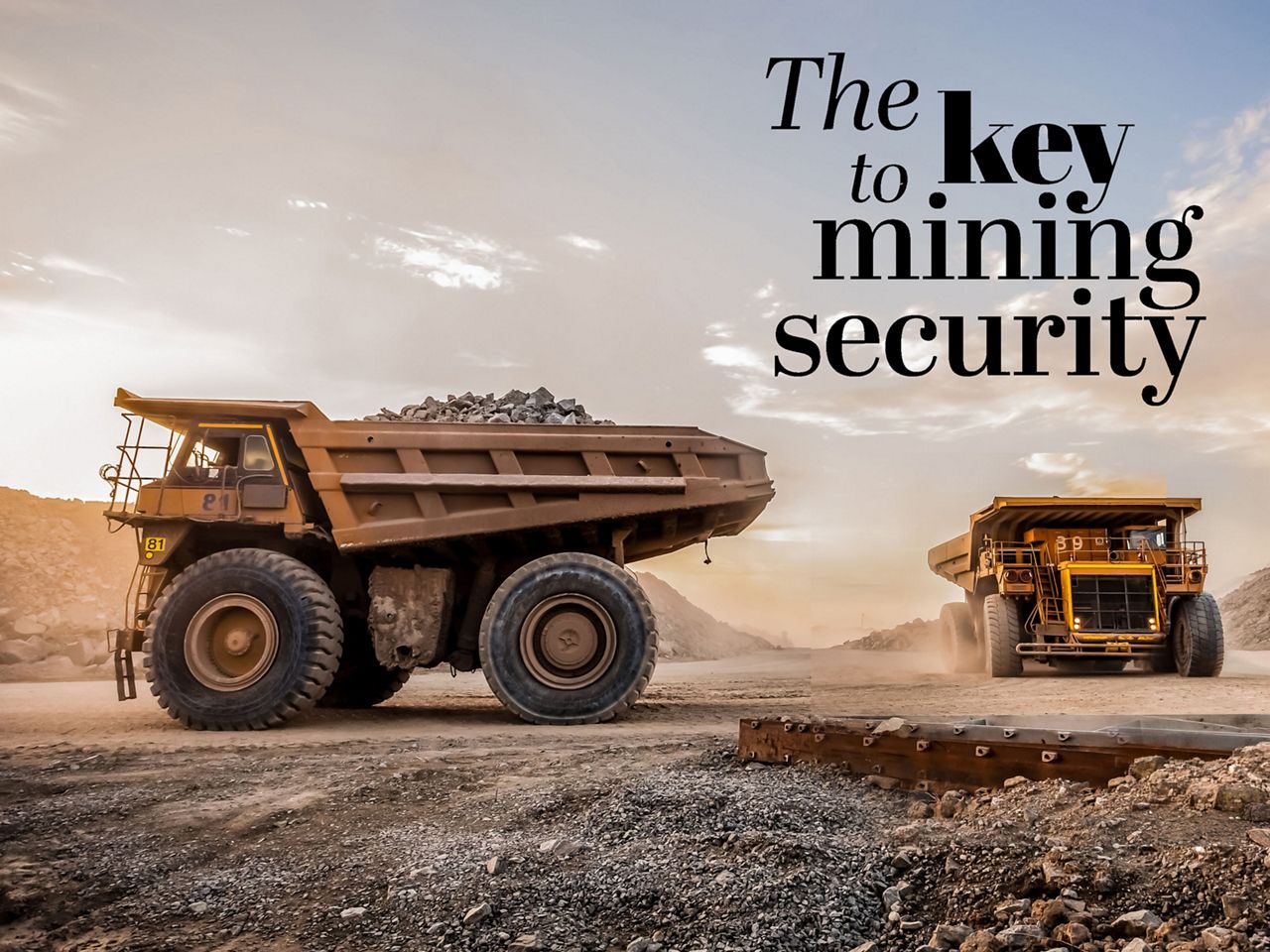
The mining industry isn’t what it was. Once a relatively contained, heavily structured operation – permits, facilities and a defined workforce – has evolved into something more complex. Operators have to manage thousands of moving parts, including generating their own utilities and running emergency services. What’s more is that mines are often found in remote and logistically challenging terrains on the planet. And with that complexity, the security risks grow exponentially.
At the heart of any conversation about key management and asset control is a question that can sometimes go unasked: what’s the real return on investment? The answer, often, is time. Eliminating queues at the start and end of shifts, reducing losses from misplaced assets, avoiding the cost of re-keying a facility or replacing devices – the savings accumulate quickly. But before any of that can happen, the conversation must start with understanding the end user’s pain points and identifying where the operational friction lies.
For Traka, mining represents one of the most compelling use cases for key and asset management. Two of its regional sales managers – Kobby Brafi, covering Western Canada and Diego Cota, responsible for Latin America and the Caribbean – sat down with Security Journal Americas (SJA) Senior Editor Alistair Hookway to discuss what they’re seeing in mining and why the physical key remains one of the most powerful tools in a mine’s security and operational armory.
For Cota, the starting point for security in mining is the sheer operational scale of what modern mines have become.
“Mines have become cities,” he explains. “They’re a living thing, and that involves multi-layered security. You have to attack different problems at the same time. The consequences can be devastating if something goes wrong.”
Modern mining sites rely on thousands of daily interactions involving vehicles, equipment, restricted areas, and critical infrastructure. Traka helps mining organizations secure, manage, and audit access to physical keys and assets while improving accountability, compliance, and operational readiness across remote operations.