Retail asset tracking and device lockers: Systems, benefits & best practices

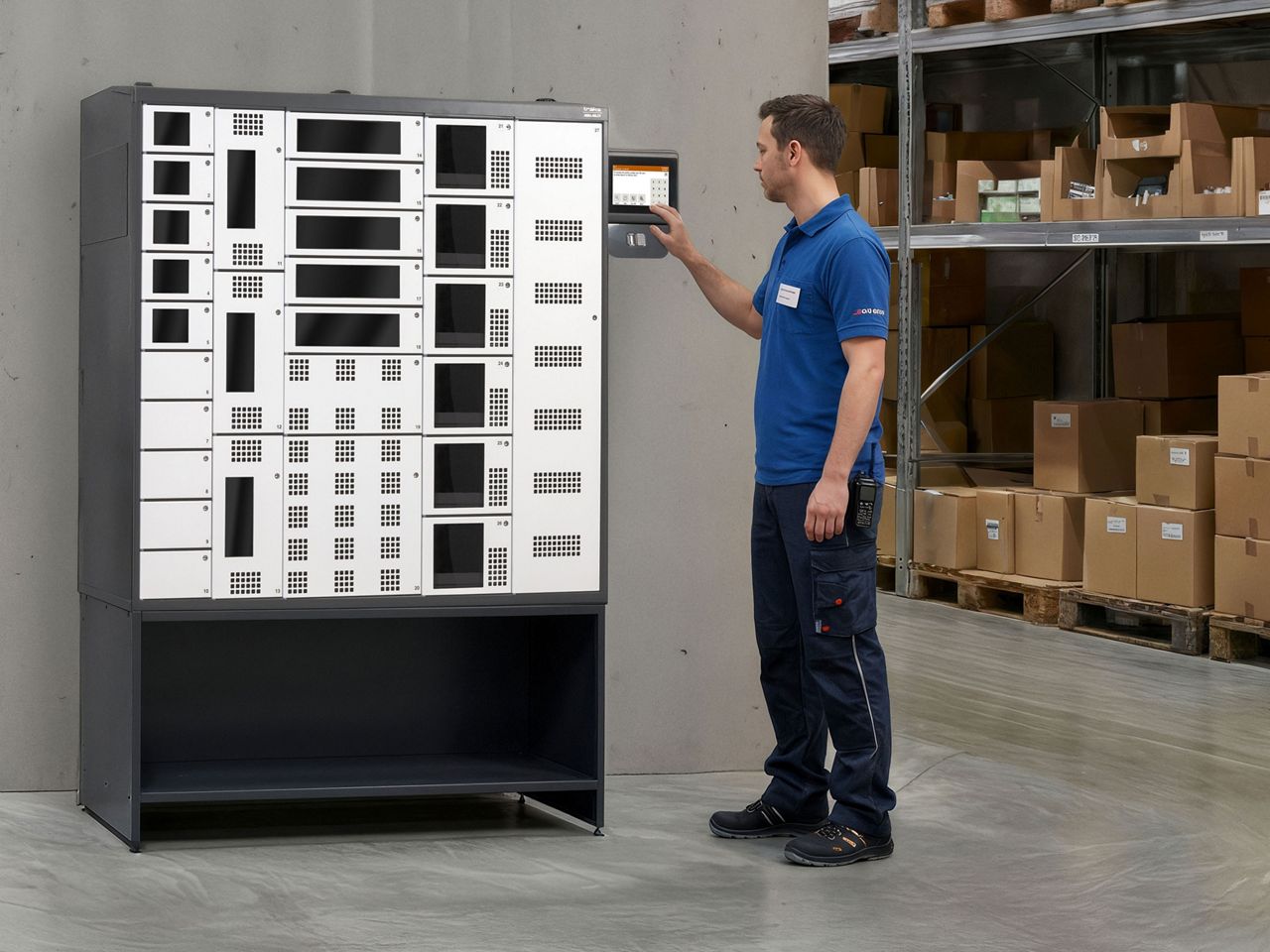
Discover how retailers track valuable assets, reduce losses and improve operational efficiency with modern tracking systems.
Ask any retail manager if they've ever spent time looking for a missing scanner and you'll probably get a smile. Or a sigh. Definitely a sigh. Shared devices have a habit of disappearing just when they're needed most.
Retail asset tracking helps businesses keep track of important equipment and understand who is using it. Whether it's a handheld scanner that should be on the shop floor or a tablet that should have been returned to a locker at the end of the previous shift, knowing where equipment is can save a lot of frustration. The less time employees spend hunting for devices, the more time they can spend doing their jobs. It also helps retailers spot potential problems before they become costly ones.
What assets should retailers track?
A good rule of thumb is to track anything that regularly goes missing or takes time to find. In many retail stores, that includes store keys, handheld scanners, tablets, radios and laptops. Some retailers also monitor access to secure inventory, particularly when the products involved are valuable or tightly controlled. If employees frequently ask, "Has anyone seen it?", it's probably a good candidate for tracking.
Types of retail asset tracking systems
Electronic key management
Keys are assets too, and often some of the most important ones in the building. Managing them through the same system as scanners and tablets, rather than tracking keys one way and devices another, gives retailers a single, consistent view of everything moving through the store instead of monitoring two separate processes.
Intelligent lockers
Unlike RFID or barcode tracking, which monitor where an asset is, intelligent lockers control whether someone can take it in the first place. Employees authenticate before a device is released, and every checkout and return is logged automatically, so equipment isn't just tracked, it's actively managed at the point of use. That shift changes behavior, too. When a device is checked out under an employee's own name rather than handed off informally, they tend to treat it differently: returning it on time, reporting issues instead of quietly swapping it for a spare, and generally taking more care with it, simply because they know it's tied to them specifically.
RFID tracking
RFID tags allow retailers to track assets without manually scanning each item. As equipment moves through a store or passes a reader, its location can be updated automatically. This makes RFID particularly useful for businesses managing a large number of assets.
Barcode systems
Barcode tracking remains one of the simplest and most widely used approaches. Employees scan an item when it is issued, moved or returned, creating a record of its location and usage. While it relies on staff following the process, it can be an effective and affordable solution.
GPS tracking
For assets that leave the store, GPS tracking can provide location information in real time. This is commonly used for delivery vehicles and mobile equipment where knowing an asset's whereabouts is particularly important.
Why retailers invest in asset tracking
- Improved accountability – It's much easier to look after something when there is a clear record of who has it. Asset tracking removes a lot of the uncertainty that surrounds shared equipment and helps answer questions quickly when something cannot be found.
- Reduced shrinkage – Lost devices are not always stolen, but they still cost money to replace. By keeping a closer eye on important equipment, retailers can reduce losses and identify recurring problems before they become expensive habits.
- Better oversight – Retailers spend less time guessing where equipment might be and more time working with reliable information. That makes day-to-day management easier, particularly in fast-paced stores where assets are constantly moving between employees.
- Faster audits – Asset audits become much simpler when there is already a record showing where equipment should be. Instead of starting from scratch, teams can focus on investigating exceptions and resolving issues.
- Improved operational efficiency – Employees can't use equipment they can't find. Structured checkout and return processes also help ensure devices are charged and ready for the next shift.
How retailers make asset tracking work
- Centralize asset control – One of the quickest ways to lose track of equipment is to store it in multiple locations with no clear ownership. Keeping assets under a single management process makes it easier to understand where equipment is and who is responsible for it.
- Use automated reporting – Retail managers already have enough on their plates without manually checking equipment logs. Automated reporting provides up-to-date information on asset activity, helping retailers stay informed without creating additional administrative work.
- Restrict access permissions – Not every employee needs access to every asset. By controlling who can access specific equipment, retailers can reduce uncertainty and maintain clearer accountability when questions arise.
- Monitor usage patterns – Asset tracking is about more than locating equipment. Over time, usage data can reveal trends that would otherwise go unnoticed, helping retailers understand how assets are being used and where potential issues may be developing.
How different retailers use asset tracking
- Multi-site retail chains – Maintaining the same standards across multiple stores can be challenging. Knowing where equipment is located and how it is being used gives retailers greater consistency across the wider operation.
- Distribution centres – Misplaced equipment can quickly create delays when goods need to keep moving. Having a clear picture of where devices are located helps teams avoid unnecessary searches and keep workflows on track.
- Electronics retailers – Many electronics retailers rely on expensive handheld devices throughout the working day. Asset tracking helps ensure those assets remain accounted for and available when employees need them.
- Grocery stores – A handheld scanner can pass through several pairs of hands before the end of a shift. By the time it's needed again, nobody is quite sure where it ended up. Tracking systems help stores keep tabs on shared equipment and reduce the time spent searching for devices.
FAQs
What is retail asset tracking?
Retail asset tracking is the process of monitoring equipment used throughout a retail environment. It helps businesses understand where assets are, who is using them and whether they have been returned.
What technologies are used?
Retailers use a range of technologies depending on what they are tracking. Common examples include RFID, barcode systems, intelligent lockers, GPS tracking and electronic key management systems.
How does asset tracking reduce losses?
When equipment is easier to account for, it becomes much harder for it to disappear unnoticed. But the bigger shift is behavioral, not just procedural. When a scanner or device is checked out under a specific employee's name rather than handed off informally, accountability moves from "the team" to a person, and that alone changes how carefully it gets handled and returned. Combine that with real-time visibility into where assets actually are, and retailers aren't just recovering losses faster, they're catching the small gaps, a device left uncharged, equipment that never made it back after a shift, before those gaps turn into a bigger discrepancy down the line. There's an efficiency upside too: a scanner that's dead, malfunctioning, or simply missing at the start of a shift slows the whole team down before the day even starts. Asset tracking helps make sure that doesn't happen, so loss prevention and day-to-day operational efficiency end up improving together.
Gain greater visibility across retail operations
- Retail
- Traka Americas
Retail key and asset management solutions
From store keys and access cards to handheld scanners, mobile devices, and other shared equipment, Traka helps retailers improve accountability, strengthen security, and keep daily operations running smoothly across every location.