Retail loss prevention solutions: Accountability infrastructure to reduce losses

Discover retail loss prevention solutions that improve accountability, reduce theft and strengthen store security.
Loss prevention starts with visibility. When retailers can't see who accessed what and when, they can't prevent losses. Modern loss prevention solutions create accountability at every access point, making losses preventable, not just detectable.
In many cases, the issue isn't a lack of security. It's a lack of structure. When access and equipment are managed inconsistently, opportunities for loss become much easier to miss. The most effective approaches introduce processes that create clear ownership, helping retailers maintain tighter control over their operations and reduce avoidable losses.
Most retail loss traces back to a handful of recurring issues, internal theft, shoplifting, uncontrolled access, missing assets, and equipment handover gaps, covered in more depth in our guide to what causes retail shrinkage. The question worth asking isn't which of these applies, it's usually several at once, but which technology actually closes the specific gap a given retailer is dealing with.
The most common causes of retail loss
- Internal theft – The vast majority of employees are honest, but even a small number of incidents can have a significant impact over time. Without clear accountability, identifying where losses are occurring can be difficult.
- Shoplifting – Shoplifting remains one of the most persistent challenges facing retailers. While individual incidents may seem minor, the cumulative impact can be substantial, particularly across multiple locations.
- Uncontrolled access – The more people who can access stock, equipment, or restricted areas, the harder those assets become to manage. Poor access controls can create unnecessary opportunities for loss while making investigations more difficult.
- Missing assets – Retailers rely on a wide range of assets to keep operations on track. When important equipment cannot be located, productivity suffers and replacement costs can quickly begin to add up.
- Equipment handover gaps – A scanner can be used by several employees before the end of a shift, and by the following morning nobody is quite sure who last had it. Without a formal checkout and return process, shared equipment can easily fall into an accountability grey area, making losses and operational issues much harder to investigate.
Modern approaches to loss prevention
Key management systems
A missing key can create uncertainty far beyond the key itself. Electronic key management systems provide a clear record of key activity, making it easier to understand who has accessed a key and when.
Access control
Knowing who can access specific areas is an important part of reducing risk. Modern access control systems allow retailers to maintain tighter control over sensitive locations while creating clear accountability.
Device locker accountability
Shared equipment often moves between employees throughout the day, making it easy for accountability to become blurred. Intelligent lockers create a structured checkout and return process, requiring users to authenticate before accessing equipment and creating a record of every transaction. They can also help ensure assets are returned ready for the next shift, reducing the handover gaps where losses and operational issues often occur.
Why retailers choose electronic systems
- Real-time visibility – It's much easier to stay in control when you can see what's happening as it happens. Electronic systems give retailers instant access to key information, reducing the need for manual checks and guesswork.
- Reduced human error – The more steps a process involves, the more chance there is for something to go wrong. Electronic systems simplify key tasks by recording information automatically and creating a more consistent way of working.
- Accountability – When responsibilities are clearly recorded, there is far less room for uncertainty. Electronic systems create a reliable record of activity, making it easier to understand who did what and when.
- Scalability – What works for a single store may not work for a growing retail operation. Electronic systems provide a foundation that can adapt as requirements change, without forcing retailers to rethink their entire approach.
Retail loss prevention in action
Grocery retail
A grocery store can serve thousands of customers in a single week, making it easy for small losses to go unnoticed. Loss prevention solutions give retailers greater oversight of what's happening across the store and make it easier to spot issues before they become bigger problems.
Automotive retail
Dealerships manage large numbers of vehicle keys, often moving between different departments before a vehicle is handed over to a customer. Better key control makes it easier to understand where keys are and who is responsible for them.
Electronics stores
When a handheld device goes missing in an electronics store, employees usually notice pretty quickly. The challenge is often working out where it was last used and who had it. Systems that improve accountability make those questions a whole lot easier to answer.
Multi-site retail chains
Maintaining the same standards across multiple locations can be a challenge. Loss prevention solutions give retailers a more consistent approach to security and accountability, making it easier to understand what's happening across the wider operation.
Most retailers can't say with confidence how much of their shrink is coming from internal gaps versus external theft, until they actually look. With internal causes accounting for 63% of all shrink industry-wide, the opportunity in tightening accountability is often bigger than retailers expect. Traka's ROI calculator can help put a real number on what closing that gap could mean for your own operation.
FAQs
What are retail loss prevention solutions?
Retail loss prevention solutions are technologies and processes designed to help retailers reduce losses and maintain greater control over their operations. They provide businesses with better information, making it easier to understand where risks exist and respond when issues arise.
How can technology reduce shrinkage?
Technology gives retailers greater visibility into day-to-day activity and reduces reliance on manual processes. This makes it easier to identify potential problems, improve accountability, and address issues before they lead to unnecessary losses.
What systems help improve store security?
The right solution will depend on the retailer and the challenges they face. Common examples include electronic key management systems, access control solutions, asset tracking technologies, and intelligent storage systems that provide greater oversight of important assets.
Reduce retail losses with smarter security technology
- Retail
- Traka Americas
Retail key and asset management solutions
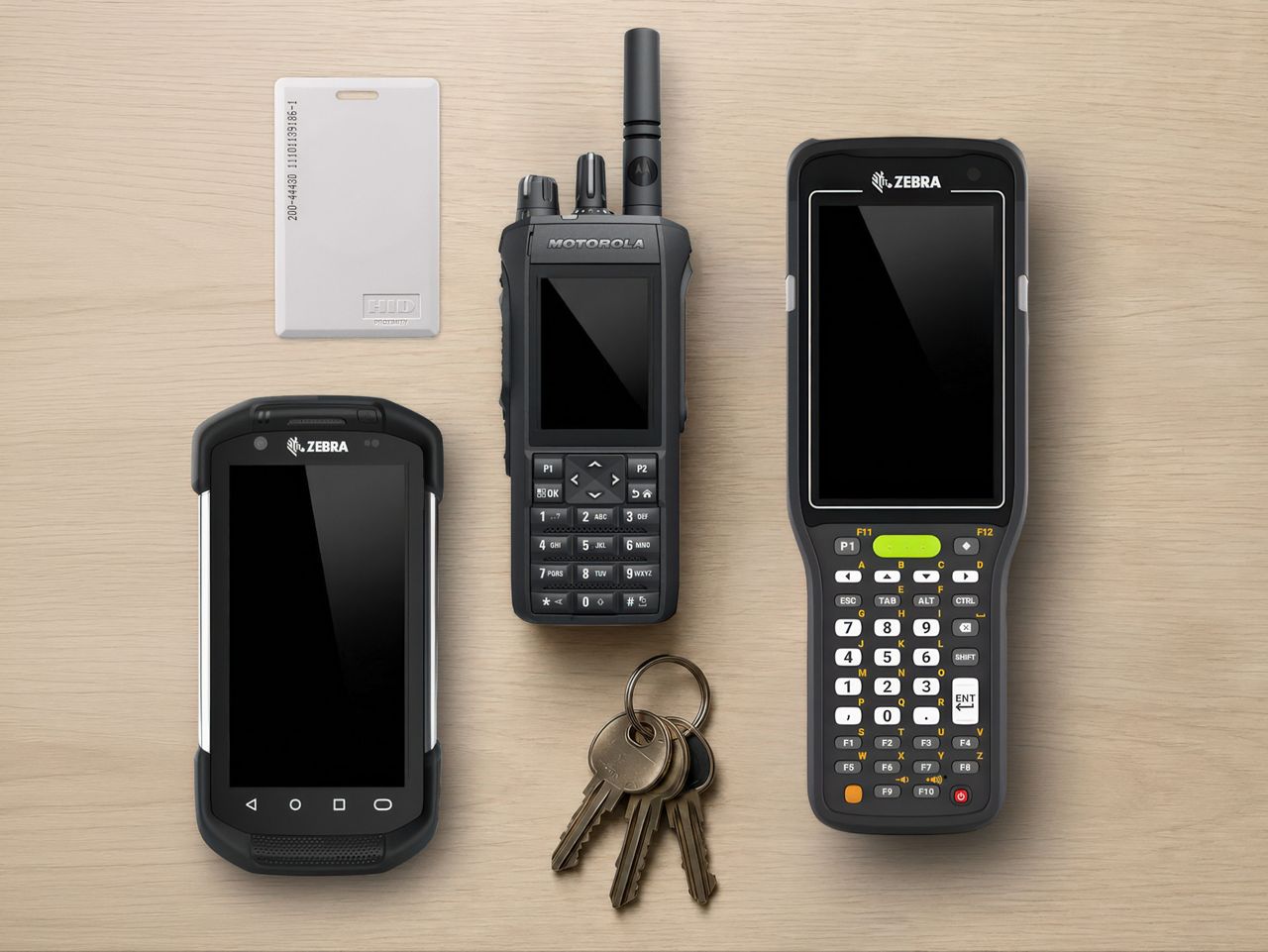
From store keys and access cards to handheld scanners, mobile devices, and other shared equipment, Traka helps retailers improve accountability, strengthen security, and keep daily operations running smoothly across every location.